How to Build a Scalp Care Routine (Step-by-Step)
The short answer
A scalp care routine starts with the right shampoo frequency, adds exfoliation weekly.
Why Your Scalp Deserves Its Own Routine
The scalp is skin — specifically, some of the most sebaceous skin on the body, with approximately 144–192 sebaceous glands per cm² in the frontal scalp. It hosts a dense microbial community, sits beneath a full head of hair that traps heat and product residue, and anchors roughly 100,000 follicles responsible for hair growth. Yet most people's "scalp care" extends no further than whichever shampoo they happened to buy.
Research has clarified the cost of that neglect. A 2019 study in the International Journal of Trichology (PMC6369642) demonstrated that scalp inflammation and oxidative stress — both common consequences of untreated dandruff, seborrheic dermatitis, or product buildup — impair the pre-emergent hair cuticle before the hair even exits the follicle, and accelerate shedding. Critically, the effects were reversible when the scalp condition normalized. That is the scientific rationale for a deliberate scalp care routine: the health of the scalp is upstream of hair quality.
A well-built routine does not need to be complicated. It has four pillars — cleanse, exfoliate, treat, stimulate — applied at the right frequency for your specific scalp type.
Step 1: Cleanse — Get the Frequency Right
The single most consequential decision in scalp care is how often you shampoo. Under-washing lets sebum, sweat, and dead skin cells accumulate; over-washing strips the scalp and can trigger compensatory sebum overproduction. The right frequency depends entirely on your scalp and hair type.
AAD Guidance on Shampoo Frequency
The American Academy of Dermatology is explicit: wash your hair based on how often it gets dirty or oily, not on a fixed schedule.
| Hair Type | Recommended Frequency |
|---|---|
| Straight or fine, oily scalp | Daily or every other day |
| Normal scalp, medium texture | Every 2–3 days |
| Thick, wavy, or moderately curly | 1–2 times per week |
| Coily or tightly textured, dry scalp | Every 1–3 weeks (some co-wash in between) |
| Postmenopausal or hormonally dry scalp | As needed, 1–2× per week |
These are starting points — adjust based on how your scalp actually feels and looks between washes. If you notice itching, greasiness, or flaking before your next scheduled wash, you're stretching the interval too long. If your scalp feels tight or itchy after washing, you may be washing too often.
Choosing the Right Shampoo
- Normal scalp: A gentle, sulfate-containing or sulfate-free surfactant-based shampoo works well. Focus on massaging the shampoo into the scalp (not just the hair length) and rinsing thoroughly.
- Oily scalp: Look for shampoos with zinc pyrithione, selenium sulfide, or ketoconazole (even if you don't have dandruff — these actives also regulate Malassezia). Clarifying shampoos with salicylic acid work well for occasional deep cleansing.
- Dry or sensitive scalp: Fragrance-free, gentle formulas with glycerin or panthenol. Avoid high concentrations of sulfate surfactants (sodium lauryl sulfate); sodium laureth sulfate or coco-glucoside are milder alternatives.
- Dandruff or seborrheic dermatitis: The AAD recommends medicated antifungal shampoos (ketoconazole 1%, zinc pyrithione, or selenium sulfide 1–2.5%) as first-line treatment, used two to three times per week for fine hair or once per week for coily hair.
How to shampoo: Apply shampoo directly to the wet scalp, not mid-lengths or ends. Use the pads of your fingertips (not nails) to massage for 1–2 minutes. Rinse thoroughly — residue on the scalp is a common driver of irritation and buildup.
Step 2: Exfoliate — Clear the Follicle Opening
Scalp exfoliation removes the accumulation of dead skin cells, hardened sebum, product residue, and dandruff flakes that can sit at and around follicle openings. This is not a daily step — once a week is sufficient for most scalps, and once every two weeks is enough for dry or sensitive ones.
Types of Scalp Exfoliants
Chemical exfoliants (preferred):
- Salicylic acid (BHA): Oil-soluble; penetrates sebum in follicle channels and loosens dead cell buildup from within. The most widely studied scalp keratolytic. A 2025 cohort study (PMC11705510) using a salicylic acid and piroctone olamine pre-gel found significant reductions in dandruff severity, scalp greasiness, and itch within four weeks.
- Selenium sulfide: A dual-action active — keratolytic and antifungal. Best used as part of a medicated shampoo rather than a standalone exfoliant.
Physical exfoliants:
- Scalp scrubs with sugar, sea salt, or fine silica can manually lift buildup. Use gently — aggressive scrubbing can cause microabrasions and worsen inflammation. Physical scrubs are best for oily, non-sensitive scalps.
How to Exfoliate the Scalp
Apply the exfoliating product to a damp (not fully wet) scalp, section by section. Work in with fingertip circles for 2–3 minutes. Leave on for 2–5 minutes if it is a chemical treatment, then shampoo and rinse thoroughly. Do not apply a physical scrub on the same day as a medicated shampoo.
Step 3: Treat — Target Your Specific Scalp Concern
After cleansing and (weekly) exfoliating, a targeted leave-in scalp treatment addresses the specific issue your scalp faces. Applied to the scalp — not the hair length — before styling or at bedtime.
By Concern
Dandruff and seborrheic dermatitis: Zinc pyrithione (antifungal + antibacterial), ketoconazole (prescription or OTC 1%), or ciclopirox. These actives inhibit Malassezia growth — the primary fungal driver of dandruff and seborrheic dermatitis. For non-shampoo forms, zinc pyrithione scalp sprays or serums can be applied between wash days.
Oily scalp: Niacinamide (reduces sebum secretion by inhibiting lipid synthesis in sebocytes at concentrations ≥2%), salicylic acid scalp tonics applied mid-week, or clay-based scalp masks once a week to absorb excess oil without stripping.
Dry, itchy, or sensitive scalp: Panthenol (provitamin B5), centella asiatica, allantoin, and glycerin-based scalp serums calm inflammation and support the scalp's barrier. Avoid fragrance, menthol, and alcohol in leave-on products if the scalp is reactive.
Thinning hair or hair loss concerns: Minoxidil is the only FDA-approved OTC topical for androgenetic hair loss and should be approached as a medical treatment rather than a routine step — see a dermatologist for proper diagnosis before starting. For general scalp health in the context of thinning, research points to the importance of reducing chronic inflammation and oxidative stress (the scalp inflammation → hair loss pathway), which effective antifungal and anti-inflammatory treatments address.
Step 4: Stimulate — Scalp Massage
Scalp massage is the least-tool-dependent step and has genuine clinical support. A 2016 study published in ePlasty (PMC4740347) found that 4 minutes of standardized scalp massage daily over 24 weeks produced measurable increases in hair shaft thickness in nine healthy men, alongside upregulation of hair cycle genes (NOGGIN, BMP4, SMAD4) and downregulation of hair-loss–associated gene IL6 in dermal papilla cells.
A larger follow-up survey (Dermatology and Therapy, 2019) of 340 people with androgenic alopecia performing twice-daily 20-minute massages found that 68.9% reported hair loss stabilization or regrowth. The proposed mechanism — mechanical stretch activating dermal papilla stem cells — has support from subsequent mechanobiology research, including a 2025 review in the Journal of Tissue Engineering (PMC12464413) confirming that mechanical stimulation releases IGF-1 and HGF, which activate hair follicle stem cells.
How to Massage Your Scalp
Use the pads of all ten fingertips (not nails). Apply firm but gentle downward pressure and move in small circles across the scalp, section by section. Spend 4–5 minutes covering the entire scalp — starting at the temples, moving to the crown, and finishing at the nape. You can do this dry, or apply a scalp oil (jojoba, rosehip, or a dedicated scalp serum) beforehand. A silicone scalp massager is a valid tool if manual pressure is fatiguing, but the evidence base is for manual massage.
Putting It All Together: The Weekly Scalp Care Schedule
| Day | Steps |
|---|---|
| Wash day | Shampoo (scalp-focused) → Condition (mid-lengths/ends) |
| Once per week | Scalp exfoliation before shampooing |
| Daily (or every other day) | Scalp massage 4–5 min (can be done anytime) |
| Between wash days | Targeted leave-in serum or treatment if needed |
| Ongoing | Avoid excessive heat at the scalp; don't sleep in tight styles; rinse out all product fully |
Ingredients That Actually Work for Scalp Health
| Ingredient | Best For | Evidence |
|---|---|---|
| Zinc pyrithione | Dandruff, oily scalp, Malassezia control | Strong (multiple RCTs) |
| Ketoconazole | Moderate–severe seborrheic dermatitis | Strong |
| Salicylic acid | Exfoliation, buildup, mild flaking | Moderate–strong |
| Selenium sulfide | Dandruff, antifungal | Moderate–strong |
| Niacinamide | Oily scalp, barrier support | Moderate |
| Panthenol (B5) | Dry/sensitive scalp, moisture | Moderate |
| Centella asiatica | Soothing, anti-inflammatory | Preliminary |
| Caffeine | Thinning (some hair growth support) | Limited |
Common Scalp Care Mistakes
Over-applying conditioner to the scalp. Conditioner is formulated for the hair shaft, not the scalp. Heavy conditioners at the root clog follicles and increase oiliness. Apply from mid-length to ends only.
Using scalp oils on an already-oily scalp. Oils can seal in sebum and impede cleansing. If you have an oily scalp, scalp oils are generally counterproductive unless used in the hour before shampooing (pre-shampoo treatment) and thoroughly rinsed.
Scratching with nails. Creates microabrasions that invite inflammation and infection. Always use fingertip pads.
Rinsing with very hot water. Strips the scalp barrier and stimulates compensatory oil production. Lukewarm water cleanses as effectively with significantly less barrier damage.
Skipping the scalp in SPF application. The scalp is a common site of UV-related skin damage and melanoma, particularly along the part line. If your hair is thin or you have a visible part, apply a scalp-specific SPF spray or powder.
When to See a Dermatologist
A scalp routine addresses everyday maintenance, but some scalp conditions require medical diagnosis and treatment. See a board-certified dermatologist if you have:
- Persistent itching, flaking, or redness that does not respond to two to four weeks of an antifungal shampoo
- Patches of hair loss, thinning, or areas where hair fails to regrow
- Crusting, weeping, or painful scalp lesions
- Sudden or rapid shedding (more than your normal baseline)
- Scalp psoriasis, alopecia areata, lichen planopilaris, or folliculitis (these require diagnosis before treatment)
The AAD's Hair and Scalp Care resource provides a starting point, but diagnosis of scalp conditions via trichoscopy (dermoscopic evaluation of the scalp and follicles) has become a standard-of-care adjunct that community-level advice cannot replace.
Step by step
- 1
Assess your scalp type and concerns
Before building a routine, identify whether your scalp is oily (greasy within 24–48 hours of washing), dry (tight or itchy post-wash), flaky (dandruff or seborrheic dermatitis), sensitive (reactive to most products), or balanced. Your scalp type determines shampoo frequency, product selection, and which treatment actives you need.
- 2
Set your shampoo frequency
Match wash frequency to your scalp's sebum production. Oily or fine-hair scalps: daily or every other day. Medium-texture normal scalps: every 2–3 days. Thick, curly, or coily hair: 1–2 times per week or as needed. Use this as your foundation; adjust up or down based on how your scalp actually feels at the next scheduled wash.
- 3
Shampoo the scalp, not just the hair
Apply shampoo directly to the wet scalp. Using the pads of your fingertips, massage the scalp in small circles for 1–2 minutes — this loosens sebum, dead skin, and product residue. Then rinse thoroughly. The hair will be cleaned by the shampoo running through it; it does not need a separate lather application.
- 4
Exfoliate once a week
Once per week (before your regular wash), apply a salicylic acid scalp scrub or an exfoliating scalp treatment to damp hair sectioned away from the scalp. Work in with fingertip circles for 2–3 minutes. Leave chemical exfoliants on for 2–5 minutes before rinsing, then follow with your regular shampoo. This clears follicle-blocking buildup that regular shampoo cannot fully remove.
- 5
Apply a targeted scalp treatment
After washing and gently towel-drying, apply a scalp-specific leave-in treatment to address your primary concern: an antifungal spray or serum for dandruff, a niacinamide tonic for excess oil, or a panthenol or centella serum for dryness and sensitivity. Apply directly to the scalp in sections, not to the hair. Allow it to absorb before styling.
- 6
Massage your scalp daily
Using all ten fingertip pads, apply firm circular pressure across the scalp for 4–5 minutes — temples to crown to nape. This can be done on dry or wet hair, with or without an oil. Clinical evidence (Koyama et al., 2016) found 4 minutes daily over 24 weeks increased hair shaft thickness. Do this daily, during your routine, while watching television, or before bed.
- 7
Maintain and adjust over time
Reassess your routine every 4–6 weeks. If the scalp is still oily before your next wash, increase frequency by one wash per week. If it feels dry or tight, reduce by one wash and switch to a gentler cleanser. If dandruff persists after 4 weeks of consistent antifungal shampoo use, see a dermatologist — the underlying issue may need prescription-strength treatment or a diagnosis update.
Products that fit: itchy, sensitive scalp
Picked by code from each product's full ingredient list.
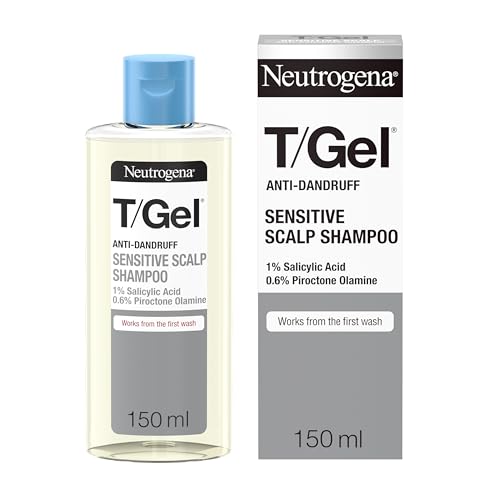
Neutrogena
T/Gel Anti Dandruff Shampoo
shampoo · 150 ml · 15 ingredients
- Fragrance-free
- No essential oils
- No MI/MCI
- With piroctone olamine
- With salicylic acid
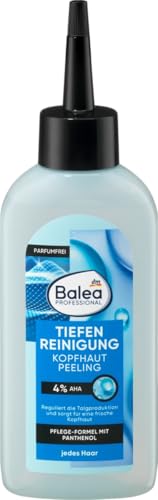
Balea
Professional Scalp Scrub Deep Cleansing
scalp treatment · 150 ml · 10 ingredients
- Fragrance-free
- No essential oils
- No MI/MCI
- With panthenol

OGX
ProGrowth + Peptide Scalp Serum
scalp treatment · 10 ml · 16 ingredients
- Fragrance-free
- No essential oils
- No MI/MCI
- With panthenol

Matrix
So Silver Purple Toning Shampoo
shampoo · 300 ml · 17 ingredients
- Fragrance-free
- No essential oils
- No MI/MCI
- With salicylic acid
Frequently asked questions
What does current evidence say about scalp care for hair health in 2026?
The evidence base solidified significantly through 2018–2025. A key 2019 study in the International Journal of Trichology demonstrated that scalp inflammation and oxidative stress — caused by conditions like dandruff, seborrheic dermatitis, or chronic buildup — directly impair pre-emergent hair cuticle integrity and accelerate shedding, and that treating the scalp condition reverses these effects. A 2021 review of more than 20 epidemiological studies confirmed the direct link between abnormal scalp conditions and impaired hair quality. The clinical consensus now treats scalp health as a prerequisite for hair health, not a cosmetic bonus.
Should I use scalp oil as part of my routine?
It depends on your scalp type. If you have a dry or sensitive scalp, lightweight oils — jojoba, sweet almond, or squalane — applied the night before washing (pre-shampoo treatment) can support barrier function without causing buildup. If you have an oily scalp, skip leave-on oils at the root entirely; they can trap sebum and worsen the environment for Malassezia overgrowth, which is the main driver of dandruff. Serums formulated for the scalp (non-comedogenic, fast-absorbing) are generally a better leave-on option for most scalp types.
How is scalp exfoliation different from just shampooing?
Shampoo removes water-soluble surface grime and some oil. Exfoliation goes further: a chemical exfoliant like salicylic acid (BHA) is oil-soluble and penetrates sebum in follicle channels to dissolve keratinous plugs and dead cell accumulation that shampoo cannot reach. Physical scalp scrubs add manual abrasion to lift hardened buildup and dandruff flakes. For most scalps, a weekly salicylic acid scalp exfoliant between washes makes a measurable difference in scalp feel, flakiness, and the downstream quality of the hair growing from those follicles.
How long before I see results from a scalp care routine?
Scalp feel — reduced oiliness, itching, or flaking — typically improves within two to four weeks of consistent cleansing and treatment. Meaningful changes in hair quality (shine, reduced shedding, improved texture) typically take six to twelve weeks, because the hair you see today was forming inside the follicle weeks ago. Hair shaft thickness changes from scalp massage were measured at 24 weeks in the Koyama study. Patience and consistency are the governing variables.
Can I have an oily scalp and dry hair at the same time?
Yes — this is a common and well-documented pattern called combination scalp-hair, and it has its own routine logic. The scalp overproduces sebum (or is not cleansed frequently enough) while the hair mid-lengths and ends are dry, porous, or damaged. The solution is to address the scalp and the hair separately: shampoo the scalp thoroughly, condition only from mid-length to ends, and use targeted scalp treatments (niacinamide, salicylic acid, or antifungal actives) at the root while applying nourishing masks to the lengths. See the dedicated [oily scalp dry ends routine](/oily-scalp-dry-ends-routine) guide for a full protocol.
Is scalp massage worth doing if I don't have hair loss?
Yes. Even without hair loss, scalp massage improves circulation to the follicle bed, supports lymphatic drainage, and — based on the Koyama (2016) and English (2019) studies — appears to increase hair shaft diameter over time. It also loosens product buildup on non-wash days and reduces scalp tension, which many people with tight hairstyles accumulate. Four minutes a day is a low-effort, zero-cost addition to any routine.
Sources
- 01Hair and scalp care — Everyday scalp care — American Academy of Dermatology (AAD). Wash your hair based on how often it gets dirty or oily; frequency recommendations vary by hair type; a dermatologist can personalize scalp care based on hair type, scalp condition, and underlying issues.
- 02Scalp Condition Impacts Hair Growth and Retention via Oxidative Stress — PubMed Central / International Journal of Trichology, 2019-01-01. Scalp inflammation and oxidative stress (from dandruff, seborrheic dermatitis, and related conditions) impair pre-emergent hair cuticle formation and accelerate shedding; effects are reversible with scalp condition treatment. Zinc pyrithione reduces premature hair loss via Malassezia inhibition.
- 03Role of scalp health in achieving optimal hair growth and retention — PubMed / International Journal of Dermatology, 2021-05-01. Review of 20+ epidemiological studies confirming abnormal scalp conditions directly impair hair quality; normalization of scalp condition reverses hair quality impacts via oxidative stress pathway.
- 04Standardized Scalp Massage Results in Increased Hair Thickness — PubMed / ePlasty, 2016-01-01. 4 minutes of daily standardized scalp massage over 24 weeks produced measurable increases in hair shaft thickness in 9 healthy men; RT-PCR showed upregulation of hair-cycle genes (NOGGIN, BMP4, SMAD4) and downregulation of IL6 in dermal papilla cells.
- 05A Cohort Clinical Study on the Efficacy of Topical Salicylic Acid/Piroctone Olamine in Improving Symptoms of Moderate to Severe Seborrheic Dermatitis of the Scalp — PubMed Central / NCBI, 2025-01-01. Salicylic acid and piroctone olamine scalp pre-gel significantly reduced dandruff severity score, greasiness, itch, and erythema within 4 weeks — supporting salicylic acid as an effective scalp exfoliant and keratolytic.
- 06Hair regeneration: Mechano-activation and related therapeutic approaches — PubMed Central / Journal of Tissue Engineering, 2025-01-01. Mechanical stimulation of the scalp induces release of IGF-1 and HGF from dermal papilla cells, activating hair follicle stem cells; hair stem cells proliferate in response to correct strain magnitude and duration — provides mechanobiological basis for scalp massage.