Scalp Exfoliation: How to Scrub Your Scalp the Right Way
The short answer
Exfoliate your scalp once a week using a physical scrub or chemical exfoliant applied.
Why Exfoliate Your Scalp?
The scalp renews itself constantly — surface keratinocytes (corneocytes) migrate upward and shed in a cycle regulated by proteolytic enzymes in the skin's outer layers. Under ideal conditions this process is invisible. When sebum accumulates, the scalp microbiome shifts, or the scalp barrier is compromised, corneocytes clump rather than shed, producing visible flakes, persistent itch, and a dull, heavy feeling at the roots.
Scalp exfoliation accelerates the removal of this accumulated material through two mechanisms: physical disruption (scrub particles or bristles physically lift adherent cells) and chemical dissolution (acids break the intercellular bonds between corneocytes). Both approaches are clinically supported; combining them in a single product has been shown to improve outcomes over either alone.
Physical vs. Chemical Scalp Exfoliation
Physical Scrubs
Physical scalp scrubs contain abrasive particles — refined sugar, sea salt, pumice, finely milled walnut shell, or synthetic silica microspheres — in a surfactant or oil base. The mechanical action dislodges loose debris and softens adherent scale for easier rinsing.
Best for: Product buildup (polymer residue from gels, dry shampoo), sebum accumulation, mild-to-moderate flaking. Limitations: Physical friction does not penetrate the follicle or dissolve keratin. Aggressive scrubbing can cause micro-tears in sensitive or thin scalp skin.
Chemical Exfoliants (AHAs, BHAs, PHAs)
Chemical exfoliants work at the molecular level:
- Salicylic acid (BHA): Lipophilic — penetrates the sebum-rich environment inside follicles, dissolves keratin plugs, and breaks corneocyte adhesion. The cornerstone of most anti-dandruff and scalp-clarifying treatments.
- Glycolic acid / lactic acid (AHAs): Water-soluble; work at the scalp surface to loosen the intercellular "glue" between dead cells. Glycolic acid exfoliates more aggressively; lactic acid is milder and more hydrating.
- Polyhydroxy acids (PHAs — gluconolactone, lactobionic acid): The gentlest chemical class, suitable for sensitive or reactive scalps. Effective exfoliants with additional moisturizing properties.
Best for: Deeper follicle unclogging, scalp with seborrheic dermatitis (under guidance), persistent keratin scale, follicle congestion. Limitations: Chemical exfoliants can sensitize a compromised scalp barrier; avoid on broken, actively inflamed, or psoriatic scalp skin.
Evidence for Combined Approaches
A 2024 clinical study (PMC11501000) evaluated a scalp regimen combining all three hydroxy acid types (AHAs, BHAs, PHAs) alongside a scalp serum. Results at 15 days showed:
- 61.24% reduction in adherent scalp flaking score
- 76.24% improvement in scalp hydration
- 93.10% of participants symptom-free from itchiness
- Hair density increased by 12.48%; hair thickness by 25.36%
- No significant adverse effects in any participant
How to Choose the Right Scalp Exfoliant
| Scalp Type | Best Exfoliant | Frequency |
|---|---|---|
| Oily with product buildup | Physical scrub + salicylic acid | Weekly |
| Normal, mild flaking | Physical scrub or AHA rinse | Weekly |
| Dry or dehydrated | PHA or lactic-acid based | Every 10–14 days |
| Sensitive or reactive | PHA (gluconolactone) only | Every 2 weeks |
| Color-treated | Mild physical scrub; avoid strong AHAs | Every 2–3 weeks |
| Dandruff-prone | Salicylic acid + zinc pyrithione shampoo | Weekly to twice weekly |
| Seborrheic dermatitis | Salicylic acid as adjunct; follow dermatologist guidance | Per clinician |
Scalp Exfoliation Dos and Don'ts
Do:
- Exfoliate on wet hair only
- Use fingertip pads, not nails
- Follow with shampoo to rinse loosened debris
- Apply conditioner to mid-lengths and ends only after exfoliating
- Use cool water for the final rinse
Don't:
- Use face or body scrubs (grit is too coarse)
- Exfoliate an actively irritated, red, or broken scalp
- Exfoliate and use a clarifying shampoo on the same wash day (too much simultaneous stripping)
- Assume exfoliation treats seborrheic dermatitis or psoriasis (it helps with scale but does not address the underlying cause)
- Exfoliate more than twice a week on any scalp type
Scalp Scrub vs. Scalp Serum vs. Clarifying Shampoo
These are distinct tools with overlapping but different purposes:
Scalp scrub: Pre-shampoo physical or chemical exfoliant applied directly to the scalp. Targets dead cell adhesion and product buildup. Applied before shampoo.
Scalp serum: A leave-in or rinse-off treatment containing actives (salicylic acid, niacinamide, peptides, prebiotics). Addresses specific scalp concerns (oil control, irritation, barrier repair) after washing. Applied post-wash.
Clarifying shampoo: A high-surfactant wash used to strip polymer product buildup and excess sebum. Works primarily on the surface; does not exfoliate the cellular layer. Used in place of regular shampoo, not in addition to a scrub on the same day.
For comprehensive buildup management, see scalp buildup guide and how often to clarify hair.
Scalp Exfoliation and the Microbiome
The scalp hosts a complex microbial ecosystem dominated by Cutibacterium, Staphylococcus, and Malassezia species. Oily scalps provide a nutrient-rich environment for Malassezia — whose lipase activity converts scalp sebum into inflammatory fatty acids — while healthy scalps maintain commensal balance. Regular, appropriate exfoliation reduces the sebum excess that Malassezia feeds on, helping maintain microbiome equilibrium without the disruption caused by over-washing.
Aggressive over-exfoliation, however, strips the stratum corneum's protective ceramide-lipid layer, raises TEWL (transepidermal water loss), and paradoxically increases sensitivity and reactivity. The goal is calibrated removal of excess buildup — not a surgically clean scalp.
For a deeper look at the scalp's microbial ecology, see the scalp microbiome guide.
Ingredients to Look For in Scalp Exfoliation Products
- Salicylic acid (0.5%–2%): The most effective keratolytic for follicle-level exfoliation
- Glycolic acid (5%–10%): Surface exfoliation; effective but can be drying
- Lactic acid: Gentler than glycolic; also mildly hydrating
- Gluconolactone / lactobionic acid (PHA): Gentle, suitable for sensitive scalps
- Tea tree oil: Antimicrobial; complements exfoliation when microbial buildup is a factor
- Sugar or sea salt: Natural physical exfoliants; dissolve during use (milder on skin than salt at high concentration)
- Zinc pyrithione: Addresses Malassezia overgrowth when combined with exfoliating ingredients
Step by step
- 1
Start with wet hair in the shower
Thoroughly wet your hair and scalp with warm water. The warm temperature softens accumulated scale and opens the cuticle slightly, making buildup easier to lift. Do not apply scalp scrub to dry hair — the friction is too abrasive without water as a lubricant.
- 2
Section hair and apply the scrub directly to the scalp
Part your hair into sections to expose the scalp. Squeeze or scoop the scrub product and apply it in small dots directly onto the scalp surface — not the hair lengths. Use roughly a teaspoon-sized amount for fine hair or up to a tablespoon for thick, dense hair.
- 3
Massage in small circular motions for 1–2 minutes
Using your fingertip pads (not nails), work the scrub across the scalp in small circular motions. Focus on oily zones (crown, hairline, behind ears) and areas with visible scale or product buildup. Maintain gentle-to-moderate pressure — you should feel stimulation, not pain.
- 4
Let a chemical exfoliant dwell for 2–5 minutes (if using one)
If your product contains salicylic acid, glycolic acid, or polyhydroxy acids, let it sit on the scalp for two to five minutes after massaging. Chemical exfoliants need contact time to dissolve corneocyte adhesion. Physical-only scrubs do not require dwell time.
- 5
Rinse thoroughly
Rinse the scalp completely with lukewarm water for at least 30 seconds, ensuring no scrub particles or chemical residue remain in the follicles. Incomplete rinsing can leave exfoliant residue that irritates the scalp.
- 6
Follow immediately with shampoo and conditioner
After rinsing the scrub, shampoo normally to remove any remaining loosened sebum and dead cells. Apply conditioner to the mid-lengths and ends only — never directly to the scalp immediately after exfoliation, as it can re-deposit ingredients into freshly opened follicles.
- 7
Finish with a cool water rinse
A brief cool-water rinse after conditioning helps smooth the hair cuticle, reduce TEWL from the scalp surface, and close the follicle opening temporarily. Pat hair dry — do not rub the scalp vigorously with a towel, as freshly exfoliated skin is temporarily more sensitive.
Products that fit: itchy, sensitive scalp
Picked by code from each product's full ingredient list.
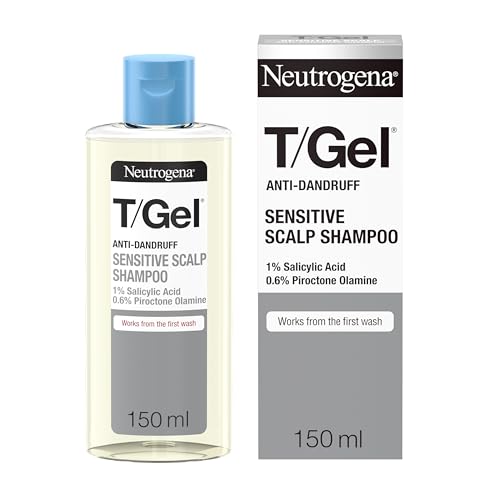
Neutrogena
T/Gel Anti Dandruff Shampoo
shampoo · 150 ml · 15 ingredients
£5.62−13%Amazon UK
- Fragrance-free
- No essential oils
- No MI/MCI
- With piroctone olamine
- With salicylic acid
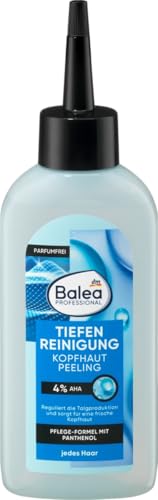
Balea
Professional Scalp Scrub Deep Cleansing
scalp treatment · 150 ml · 10 ingredients
- Fragrance-free
- No essential oils
- No MI/MCI
- With panthenol

OGX
ProGrowth + Peptide Scalp Serum
scalp treatment · 10 ml · 16 ingredients
- Fragrance-free
- No essential oils
- No MI/MCI
- With panthenol

Matrix
So Silver Purple Toning Shampoo
shampoo · 300 ml · 17 ingredients
£12.14−24%Amazon UK
- Fragrance-free
- No essential oils
- No MI/MCI
- With salicylic acid
Amazon UK prices as of 6 November 2026, 04:30 GMT; Amazon sets the final price at checkout.
Frequently asked questions
What does the latest evidence say about scalp exfoliation in 2026?
The strongest recent data (PMC11501000, published 2024) comes from a 15-day clinical study of a combined hydroxy-acid scalp scrub (AHA/BHA/PHA) plus copper tripeptide serum in adults with seborrheic dermatitis. It showed a 61% reduction in adherent scalp flaking, a 76% improvement in scalp hydration, and resolution of itchiness in 93% of participants — with no adverse effects. These results support exfoliation as an effective, well-tolerated tool for scalp buildup management, though the sample size (n=32) and short duration mean larger trials are still needed to confirm long-term effects.
Is scalp exfoliation safe for color-treated hair?
Yes, with adjustments. Limit frequency to once every two to three weeks; choose a mild physical scrub or a PHA-based product rather than strong AHAs or high-concentration salicylic acid, which can accelerate color fading by loosening cuticle scales. Avoid exfoliating within 48 hours of coloring. Always condition the mid-lengths and ends after exfoliating to offset any drying effect.
Can I exfoliate my scalp if I have dandruff?
Scalp exfoliation — specifically salicylic acid — is a standard adjunct in dandruff management, as it loosens the adherent scale that builds up alongside dandruff. A salicylic acid shampoo used once or twice a week can improve flaking significantly. However, exfoliation does not treat the underlying Malassezia overgrowth that causes dandruff; an antifungal shampoo (ketoconazole, zinc pyrithione, selenium sulfide) is the primary treatment. Combine both if buildup is heavy, or consult a dermatologist for the right combination.
Should I exfoliate before or after shampooing?
Exfoliate before shampooing. Applying the scrub or chemical exfoliant to a wet, pre-shampoo scalp allows the product to work directly on the buildup without dilution by lather. After massaging for one to two minutes (plus dwell time for chemical products), rinse thoroughly, then shampoo to remove loosened debris and cleanse the scalp fully.
Can I use a scalp brush instead of a scrub?
A silicone scalp brush or massager provides physical exfoliation through gentle bristle friction and promotes circulation, and many people find them comfortable and effective for loosening surface flakes and product residue during shampooing. They are gentler than coarse-particle scrubs. Use firm but gentle circular pressure; avoid on irritated or broken scalp skin. They are less effective than chemical exfoliants for deep follicle unclogging.
Sources
- 01An Assessment of the Safety, Efficacy, and Tolerability of a Novel Scalp Treatment Regimen Combining a Hydroxy Acid-Based Scrub and Copper Tripeptide Serum in the Management of Seborrheic Dermatitis in Adults — PubMed Central / PMC11501000, 2024-10-01. AHA/BHA/PHA scalp scrub combined with copper tripeptide serum produced 61.24% reduction in adherent scalp flaking, 76.24% improvement in scalp hydration, and resolution of itchiness in 93.10% of participants within 15 days; no significant adverse effects.
- 02Essentials of Hair Care Often Neglected: Hair Cleansing — PubMed Central / PMC3002407, 2010-11-01. Deep-cleaning clarifying shampoos are recommended weekly to remove polymer-film product residue that accumulates over approximately seven days; regular shampoos alone are insufficient to remove styling-product buildup.
- 03Stratum Corneum Dysfunction in Dandruff — PubMed Central / PMC3494381, 2012-11-01. Dandruff scalp stratum corneum has depleted ceramide levels and elevated TEWL; disrupted intercellular lipids prevent normal corneocyte desquamation, leading to clumped flaking — the target of scalp exfoliation.
- 04Scalp Microbiome Composition in Young Women: Associations with Scalp Type, Sensitivity, and Lifestyle Factors — PubMed Central / PMC12843290, 2025-01-01. Oily scalps are predominantly colonized by Cutibacterium; sensitive scalps show increased Staphylococcus; lifestyle factors (stress, high-fat diet) increase Malassezia abundance — providing the microbiome context for why exfoliation that reduces sebum accumulation supports scalp balance.