Ringworm vs. Dandruff on the Scalp: How to Tell Apart
The short answer
Ringworm causes hair loss with scaly bald patches.
Why the Confusion Exists
Both ringworm of the scalp (tinea capitis) and dandruff produce a scaly, flaking, itchy scalp. At first glance — or in early or mild presentations — they can look similar. This confusion has real consequences: dandruff is harmless and managed with OTC shampoos, while ringworm requires prescription oral antifungal medication and, if missed, risks permanent hair loss.
The good news: they have distinct features that, when you know what to look for, make them straightforward to tell apart.
Head-to-Head Comparison
| Feature | Ringworm (Tinea Capitis) | Dandruff (Pityriasis Capitis) |
|---|---|---|
| Cause | Dermatophyte fungi (Trichophyton, Microsporum) | Malassezia yeast overgrowth on the scalp |
| Contagious? | Yes — highly | No |
| Hair loss? | Yes — focal patches, broken hairs | Never |
| Affected age group | Primarily children 3–14 | Any age; peaks in early adulthood |
| Scalp appearance | Scaly patches (circular or irregular) with hair loss; black dots (broken hair stumps); possible kerion | Diffuse fine white or yellow-white flakes across the scalp; no bald patches |
| Distribution | Focal — one or more distinct patches | Diffuse across the whole scalp |
| Lymph nodes | Posterior cervical nodes often enlarged | Normal |
| Fever | Possible with kerion (inflammatory) | None |
| Severity range | Mild scaling to severe kerion (painful pus-filled mass) | Mild flaking to florid seborrheic dermatitis |
| Diagnosis | KOH microscopy, fungal culture, Wood's lamp | Clinical (no tests needed for typical dandruff) |
| Treatment | Systemic oral antifungal (mandatory; 4–8 weeks minimum) | OTC antidandruff shampoo (ketoconazole, zinc pyrithione, selenium sulfide) |
| OTC shampoo sufficient? | No — shampoo adjunct only | Yes |
| Prognosis without treatment | Hair loss may be permanent in severe cases | Chronic, recurrent — but no permanent damage |
Ringworm (Tinea Capitis): What It Looks Like
Tinea capitis is caused by dermatophyte fungi — specifically Trichophyton and Microsporum species. These fungi colonise the scalp skin and invade the hair shaft itself, which is why the infection cannot be eradicated with topical treatment alone.
Key Visual Features
Gray-patch ringworm (Microsporum species) Circular or irregular patches of dull gray scaling with hair that breaks just above the scalp surface. Multiple patches can merge into larger affected areas. The "ring" shape is classic but not always present.
Black-dot ringworm (Trichophyton tonsurans) Hair breaks at the scalp surface, leaving black dots — the stubby remnants of the hair shaft — within the scaly patch. Easy to mistake for alopecia areata, but the scaling and black dots distinguish it.
Diffuse dandruff-like presentation A less-recognized pattern where tinea capitis mimics dandruff — widespread fine scaling without obvious patches. This is the presentation most often misdiagnosed. The critical difference from true dandruff: there is usually some degree of hair thinning or breaking within the scale, even if subtle.
Kerion The most severe form: a boggy, painful, pus-filled inflammatory mass on the scalp. This is an immune response to the fungal infection. It is not an abscess, should not be incised, and requires urgent antifungal treatment to prevent permanent scarring alopecia.
Who Gets Ringworm
- Children aged 3–14 are most commonly affected; prevalence drops after puberty
- Spread is via direct scalp-to-scalp contact, or via shared hats, combs, pillowcases, headphones
- Microsporum canis — from cats and dogs — is the main cause in Europe, NZ, and parts of Asia
- Trichophyton tonsurans — human-to-human — is the main cause in the US and parts of Western Europe
- Warm, humid climates and crowded living conditions increase risk
Dandruff (Pityriasis Capitis): What It Looks Like
Dandruff is defined as the shedding of dead skin cells from the scalp in visible flakes, with or without itching. It is not a separate disease but a spectrum: at the mild end it is pityriasis capitis (simple dandruff); at the more severe end it merges with seborrheic dermatitis (where redness and inflammation are also present, and the scale can be greasy and yellow).
The Role of Malassezia
The central player in dandruff is Malassezia — a lipophilic yeast that colonises all human scalps. In susceptible individuals, Malassezia's enzymatic activity on scalp sebum produces irritating byproducts (unsaturated fatty acids) that trigger an inflammatory response, disrupting normal skin cell shedding and accelerating the production of visible flakes. Importantly, Malassezia colonises everyone — dandruff reflects individual susceptibility, not contamination or poor hygiene.
Key Visual Features
- Diffuse distribution — flakes across the entire scalp, not confined to focal patches
- White to yellowish-white flakes — fine in simple dandruff; larger and oilier in seborrheic dermatitis
- No hair loss, no bald patches — this is the definitive distinguishing feature
- No broken hair stubs or black dots
- Itching — common, sometimes intense; seasonal (often worse in winter)
- Normal lymph nodes
Who Gets Dandruff
Dandruff affects approximately 50% of the global adult population at some point, making it one of the most prevalent scalp conditions worldwide. Men are slightly more often affected than women. It is uncommon in young children (before puberty), which is the opposite pattern to tinea capitis — a useful epidemiological clue.
The Most Important Distinguishing Signs
If you can remember only two things, these are the ones:
1. Hair Loss
Ringworm causes hair loss; dandruff does not.
If there is patchy hair loss — even subtle thinning or breakage — within the scaly area, assume tinea capitis until proven otherwise. A child with "dandruff" plus any degree of hair loss should be seen by a doctor, not treated with OTC dandruff shampoo and left.
2. Age of the Person Affected
Dandruff is very rare in young children; tinea capitis is primarily a childhood condition.
Dandruff in a child under 10 warrants clinical evaluation. Conversely, tinea capitis in an otherwise healthy adult is uncommon (though not impossible, especially with immunosuppression or animal contact).
3. Distribution
Ringworm is focal (patches); dandruff is diffuse (whole scalp).
4. Lymph Nodes
Swollen lymph nodes at the back of the neck strongly suggest tinea capitis. Dandruff does not cause lymphadenopathy.
5. Contagion
Ringworm spreads within households and schools; dandruff does not spread person to person.
Can Ringworm and Dandruff Look Identical?
Yes — particularly in the "diffuse scaling" presentation of tinea capitis, which produces widespread fine scale that is clinically indistinguishable from dandruff on inspection alone. This is why a clinical assessment with KOH microscopy (scalp scraping examined under a microscope) or fungal culture is the definitive test when there is any doubt — particularly in children with a scaly scalp.
When to seek confirmation with a test:
- Any child with persistent scalp scaling that is not responding to antidandruff shampoo within 4 weeks
- Any scalp scaling accompanied by hair loss at any age
- Swollen lymph nodes at the back of the neck alongside scalp scaling
- A household cluster of scalp scaling in children
- Scalp scaling in a person who has had contact with an infected person or animal
Treatment: The Fundamental Difference
This is where getting the diagnosis right matters clinically:
Dandruff Treatment
Dandruff responds to OTC antidandruff shampoos used regularly:
- Ketoconazole 1–2% — most evidence-backed antifungal shampoo; targets Malassezia directly
- Zinc pyrithione — antifungal and antibacterial; standard in most antidandruff shampoos
- Selenium sulfide 1–2.5% — antifungal, anti-shedding
- Coal tar — slows skin cell turnover; effective but strong odor
- Salicylic acid — helps lift adherent scale
Use 2–3 times per week during flares, reducing to once weekly for maintenance. Dandruff is a chronic condition that usually requires long-term maintenance treatment to stay controlled.
Ringworm Treatment
Tinea capitis always requires systemic oral antifungal treatment. Topical antifungal treatments — creams, shampoos — cannot penetrate the hair follicle where the infection lives. OTC antidandruff shampoos will not treat tinea capitis.
- Oral griseofulvin — 6–8 weeks; preferred for Microsporum species
- Oral terbinafine — 4 weeks; preferred for Trichophyton tonsurans
- Adjunctive shampoo (ketoconazole, selenium sulfide) — reduces spore shedding and contagion; does not replace oral treatment
Both drugs require a prescription. A doctor must assess and diagnose before treatment. Never attempt to treat a child's hair loss and scalp scaling with OTC antidandruff shampoo alone while the diagnosis of tinea capitis remains possible.
Quick Decision Guide
Suspect dandruff if:
- Diffuse white or yellow-white flakes across the scalp
- No hair loss or bald patches
- Onset in adulthood or adolescence
- No household contacts with similar symptoms
- Improving with antidandruff shampoo
Suspect ringworm (tinea capitis) if:
- Child under 14
- Patchy hair loss or broken hairs within the scaly area
- Black dots visible on the scalp
- Swollen glands at the back of the neck
- Recently had contact with an infected person or animal
- Not improving with antidandruff shampoo after 4 weeks
- Painful, boggy swelling on the scalp (kerion — see a doctor urgently)
Related Conditions to Know
Both ringworm and dandruff exist on a spectrum with related conditions:
- Seborrheic Dermatitis of the Scalp — the inflamed, reddened form of dandruff; caused by the same Malassezia mechanism but with added inflammation
- Dandruff Guide — full coverage of dandruff causes, best shampoos, and management
- Tinea Capitis Guide — complete clinical guide to scalp ringworm: types, causative organisms, treatment protocols, and complications
- Scalp Folliculitis Guide — inflammatory scalp pustules that can be mistaken for either condition
- Malassezia and the Scalp — the yeast connecting dandruff, seborrheic dermatitis, and Malassezia folliculitis
Products that fit: dandruff
Picked by code from each product's full ingredient list.
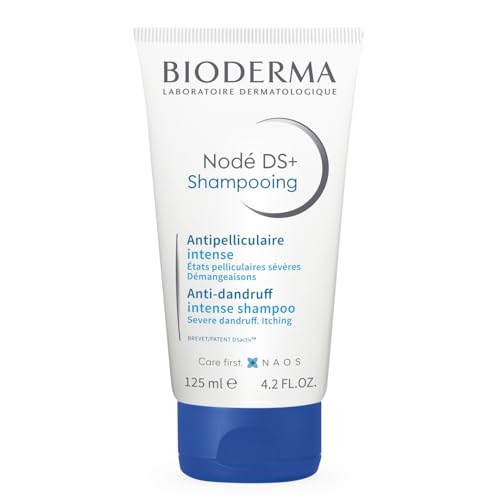
Bioderma
Node DS+ Anti Dandruff Shampoo
shampoo · 125 ml · 26 ingredients
- No essential oils
- With piroctone olamine
- With salicylic acid
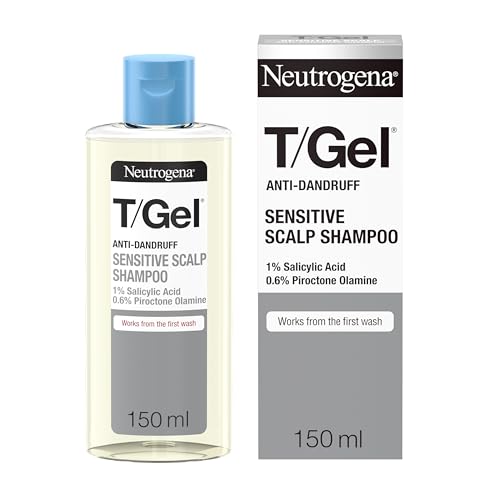
Neutrogena
T/Gel Anti Dandruff Shampoo
shampoo · 150 ml · 15 ingredients
- Fragrance-free
- No essential oils
- With piroctone olamine
- With salicylic acid

Vichy
Dercos PSOlution Kerator-Reducing Treatment Shampoo Psoriatic-Prone Scalps
shampoo · 200 ml · 31 ingredients
- No essential oils
- With piroctone olamine
- With salicylic acid

Makeup Revolution
Haircare Salicylic Acid Clarifying Shampoo
shampoo · 250 ml · 28 ingredients
- With piroctone olamine
- With salicylic acid
Frequently asked questions
Is it still safe to use antidandruff shampoo on a child's scalp in 2026?
Yes — antidandruff shampoos containing ketoconazole 1%, zinc pyrithione, or selenium sulfide are safe for children when used as directed. However, if the child has any hair loss, broken hair stubs, or swollen lymph nodes alongside the scalp scaling, the diagnosis may be tinea capitis rather than dandruff — and antidandruff shampoo alone will not treat tinea capitis. The current standard of care is unchanged: scalp ringworm always requires prescription oral antifungal medication. A GP or dermatologist should assess any child with scalp scaling plus hair loss before assuming it is dandruff.
Can dandruff turn into ringworm?
No — dandruff and ringworm have completely different causes and one cannot turn into the other. Dandruff is caused by Malassezia yeast overgrowth and individual skin susceptibility; ringworm is caused by dermatophyte fungi (Trichophyton or Microsporum species) acquired from infected people or animals. What can happen is that both conditions coexist, or that ringworm has been mistakenly diagnosed as dandruff for a period — which is why persistent scalp scaling that doesn't respond to antidandruff shampoos should be assessed by a clinician.
How can I tell ringworm from dandruff at home without seeing a doctor?
The clearest home indicator is hair loss: dandruff never causes hair loss, ringworm does. Check carefully for broken hair stubs or bald patches within the scaly area. Also look for swollen glands at the back of the neck. If you're examining a child, consider who they have been in close contact with. If a child in the household has scalp scaling plus any degree of hair loss or broken hairs, or if multiple children in the same setting have similar symptoms, do not attempt to diagnose and treat at home — a clinical assessment with KOH microscopy or fungal culture is the definitive test and needs a clinician.
My child's scalp is flaking — is it more likely to be ringworm or dandruff?
In a child under 10, persistent scalp flaking should prompt clinical assessment rather than assumption of dandruff. Simple dandruff is uncommon in young children (sebaceous gland activity is lower before puberty). Tinea capitis — scalp ringworm — is primarily a childhood condition and is one of the most common causes of a scaly scalp in children worldwide. Look carefully for hair loss or broken hairs in the scaly areas, and feel for enlarged glands at the back of the neck. If there is any hair loss, or if the scalp scaling hasn't improved after 4 weeks of antidandruff shampoo, see a doctor.
Does the presence of an itchy scalp help distinguish the two?
Not reliably — both conditions cause scalp itch. Itch is prominent in dandruff and seborrheic dermatitis; it is also present (though variable) in tinea capitis. An intensely itchy scalp with pustules may suggest scalp folliculitis rather than either condition. The distinguishing features to focus on are hair loss, age, focal vs. diffuse pattern, contagion history, and lymphadenopathy — not itch intensity alone.
Will ketoconazole shampoo treat both ringworm and dandruff?
Ketoconazole shampoo effectively treats dandruff and is used adjunctively in ringworm to reduce contagious spore shedding. However, it cannot cure tinea capitis on its own. The dermatophyte fungi responsible for ringworm reside inside the hair shaft and deep within the hair follicle — a wash-off shampoo cannot penetrate there. Oral antifungal medication is always required to cure tinea capitis. Using ketoconazole shampoo alone for a child's ringworm while awaiting a diagnosis is not harmful, but it must not substitute for the oral treatment that the condition requires.
Health information, not medical advice.
Beauty Comparison is an independent editorial publication. This page is researched and sourced to the authorities listed below, but it is general information — not a diagnosis or a substitute for personalised advice from a qualified doctor, dermatologist or pharmacist. If your symptoms are severe, spreading, painful, or not improving, see a healthcare professional.Sources
- 01Seborrheic Dermatitis and Dandruff: A Comprehensive Review — PubMed Central / Journal of Clinical and Investigative Dermatology, 2015-04-01. Dandruff affects approximately 50% of the global adult population; Malassezia yeast as the primary driver; dandruff does not cause hair loss; distinguishing features vs tinea capitis: no black dots, no alopecia, not contagious; men affected more than women; antifungal shampoos (ketoconazole, selenium sulfide, zinc pyrithione) are first-line treatment.
- 02Tinea Capitis — StatPearls (NCBI Bookshelf) — National Center for Biotechnology Information / StatPearls, 2023-08-01. Tinea capitis predominantly affects children; caused by Trichophyton and Microsporum species; clinical presentations including gray patch, black dot, and kerion; contagious via direct contact and fomites; topical treatment is ineffective — systemic oral antifungal required; diagnosis by KOH microscopy, fungal culture, Wood's lamp.
- 03Tinea Capitis — DermNet NZ — DermNet NZ (dermnetnz.org). Ectothrix vs endothrix invasion patterns; gray-patch tinea mimicking dandruff; black-dot presentation from T. tonsurans; diffuse scaling presentation misdiagnosed as dandruff; posterior cervical lymphadenopathy characteristic of tinea capitis; 4-week minimum systemic treatment required.
- 04Ringworm (Scalp) — Symptoms and Causes — Mayo Clinic (mayoclinic.org). Scalp ringworm symptoms: scaly patches, hair loss, broken hair shafts, possible inflammation and posterior lymphadenopathy; contagious via contact with infected individuals and shared objects; predominantly affects children 5–14; cats and dogs as transmission vectors for Microsporum canis.
- 05Is Your Dry Scalp Something More Serious? — AAD — American Academy of Dermatology (aad.org). Ringworm of the scalp presents as scaly patches with hair loss and is highly contagious; requires prescription antifungal treatment; dandruff presents as small flaking skin pieces with itch; dandruff managed with specialized shampoos; both conditions can cause scalp itch and flaking, making differentiation important.
- 06Tinea Capitis: Observations and Clinical Approach in a Pediatric Population of 99 Cases — PubMed Central / PMC, 2024-03-01. Tinea capitis in children: median age 6 years; predominantly male (75.8%); trichoscopy reveals comma hairs and corkscrew hairs distinguishing it from dandruff; terbinafine effective for Trichophyton; griseofulvin preferred for Microsporum; all 99 cases achieved clinical and laboratory cure with appropriate systemic treatment.