Scalp Skinification: Treating Your Scalp Like Your Skin
The short answer
Scalp skinification means applying targeted skincare actives — serums, exfoliants, barrier ingredients.
What Is Scalp Skinification?
Scalp skinification is a beauty philosophy — and increasingly a product category — built on the recognition that the scalp deserves the same thoughtful, active-ingredient-driven care that modern skincare applies to the face. Instead of relying solely on cleansing shampoos and conditioning treatments, scalp skinification adds pre-wash serums, exfoliating treatments, barrier-repair products, and even UV protection to a scalp routine.
The term emerged in the beauty industry to capture a shift in how consumers and formulators think about the scalp: not as a passive platform for hair, but as active skin with its own biology, concerns, and aging process.
Is the Scalp Actually Skin?
Yes — and the science is unambiguous on this. The scalp has:
- A stratum corneum (the outermost dead-cell barrier layer) that renews continuously
- Sebaceous glands attached to every follicle, producing the highest sebum output of any skin site (~115 µg/cm²)
- A microbiome of bacteria and fungi that regulates barrier function and sebum metabolism
- A skin barrier composed of ceramides, cholesterol, and fatty acids — exactly the same lipid matrix as facial skin
- Sensitivity to UV radiation — sun damage affects the scalp at the parting, crown, and hairline
At the same time, the scalp is meaningfully different from facial skin in ways that matter for product formulation:
| Feature | Scalp | Face |
|---|---|---|
| Sebum output | ~115 µg/cm² | ~25 µg/cm² |
| Hair follicle density | ~100,000 follicles (highest density on body) | ~20,000 follicles |
| Dominant microbiome | Malassezia fungi + Cutibacterium | Cutibacterium + Staphylococcus |
| Ceramide composition | Distinct profile; depleted in disease | Standard facial SC composition |
| Barrier thickness | Thinner stratum corneum than body skin | Moderate |
| UV exposure | Direct on parting, hairline | Full-face exposure |
This means that while the principles of skincare (exfoliation, hydration, barrier repair, sun protection) apply directly, the formulations designed for the scalp need to account for its follicle density, sebum context, and the presence of hair.
Why the Scalp Has Been Overlooked
Hair care historically focused on the hair shaft — protecting protein, managing curl pattern, adding shine and softness. Shampoos were formulated primarily to cleanse the scalp rather than treat it. The scalp itself was treated as the means to an end (clean hair roots) rather than a skin surface with its own needs.
As scalp concerns — dandruff, seborrheic dermatitis, sensitivity, hair thinning — became better understood at a dermatological level, and as the skin microbiome emerged as a focus of research, the scalp's status as a distinct skincare zone became scientifically defensible.
Scalp Skinification Actives: What Works and What Doesn't
Actives with Clinical Support for Scalp Use
Salicylic Acid (0.5%–2%) A BHA with strong keratolytic and anti-inflammatory properties. Lipophilic enough to penetrate the oily follicle canal and dissolve keratin adhesion. Well-supported for dandruff, seborrheic dermatitis, and scalp buildup. Standard in medicated scalp products and now increasingly in non-prescription scalp serums.
Ceramides and Fatty Acids Clinical studies confirm that dandruff and seborrheic dermatitis scalps have significantly depleted ceramide levels and elevated TEWL. A pseudo-ceramide and eucalyptus extract scalp lotion applied daily for four weeks produced significant improvements in dryness, scaling, and erythema. Ceramide-containing scalp products are directly relevant where barrier dysfunction is a factor — not just dry skin.
AHAs/BHAs/PHAs (Combined) A 2024 clinical study of a hydroxy-acid scalp scrub (AHAs + BHAs + PHAs) showed a 61.24% reduction in adherent scalp flaking, 76.24% improvement in hydration, and resolution of itch in 93% of participants within 15 days. This is direct evidence that the skincare-style exfoliation approach works at the scalp.
Hyaluronic Acid A humectant that attracts and retains moisture in the stratum corneum. When applied to a dry or barrier-compromised scalp, it supports hydration without adding occlusive weight that could clog follicles. Most effective in serums designed to be rinsed off or applied at very low viscosity to avoid build-up.
Niacinamide (Vitamin B3) Regulates sebum production, reduces scalp inflammation, and supports barrier function. Increasingly found in scalp-specific serums. Its sebum-regulating effect (reducing ceramide-related sebum production signaling) is directly relevant to oily, flaky scalps.
Peptides Scalp-specific peptides are being incorporated into hair loss and scalp health serums to target follicle biology — stimulating growth factors, supporting dermal papilla activity, and improving scalp microcirculation. Clinical evidence is preliminary but growing.
SPF / UV Protection The scalp is directly exposed to UV radiation at partings, the crown, and the hairline — skin cancer on the scalp (including melanoma) is clinically recognized. Transparent or powder SPF formulations for the scalp apply the most important principle of skincare — sun protection — to an area most people never sunscreen.
What to Use Carefully
Retinoids Topical retinoids (retinol, adapalene, tretinoin) are powerful anti-aging and anti-acne actives on the face. The scalp's extraordinarily high follicle density makes it more susceptible to retinoid-driven irritation — folliculitis, excessive peeling, and barrier disruption are more likely. Dermatologist-supervised use of low-concentration retinoids for scalp conditions exists, but self-applying standard facial retinol serums to the scalp is not recommended without guidance.
Heavy Facial Emollients and Silicone Serums Face oils, thick squalane serums, and silicone-heavy primers are not designed for the scalp's follicle density. Applied to the scalp, they can contribute to sebum-driven buildup, folliculitis, or a heavy film that impedes the scalp microbiome's normal air and sebum exchange.
High-Concentration Vitamin C (L-Ascorbic Acid) Ascorbic acid at the low pH required for stability (pH 2.5–3.5) can irritate the scalp skin barrier. Stable derivative forms (sodium ascorbyl phosphate, ascorbyl glucoside) are better options in scalp-targeted antioxidant formulations.
Building a Scalp Skinification Routine
A scalp skinification routine does not replace your shampoo routine — it layers targeted treatments within it:
Pre-wash (once a week): Apply a scalp scrub (physical + hydroxy acid) or a targeted treatment oil to the dry scalp 20–30 minutes before washing. This is the exfoliation and deep-prep step.
During wash: Use a scalp-appropriate shampoo — sulfate-based for oily or buildup-prone scalps; mild surfactant for dry or sensitive. A scalp massage brush during shampooing adds gentle physical exfoliation and improves circulation.
Post-wash serum (2–3× weekly): Apply a targeted scalp serum — containing niacinamide, salicylic acid, ceramides, hyaluronic acid, or peptides depending on your concern — to the towel-dry scalp. Leave-in formulations deliver actives without washing them away.
UV protection (daily, especially in summer): Apply a transparent SPF powder or fluid to the scalp parting and any exposed areas before sun exposure. This is the most under-adopted but evidence-backed step in scalp skinification.
Scalp Aging: The Skinification Perspective
The scalp ages — and its aging affects both scalp skin quality and hair health. With age:
- Sebum production declines, making the scalp drier and more susceptible to barrier dysfunction
- The scalp microbiome shifts with hormonal changes
- Follicle cycling slows; hair density decreases
- Cumulative UV damage accumulates at chronically exposed parting lines
Applying anti-aging skincare principles to the scalp — antioxidants, barrier repair, SPF — is not vanity; it is scalp tissue maintenance that supports the environment in which follicles function.
The Bottom Line on Scalp Skinification
The concept is scientifically sound. The scalp is skin, its barrier can be repaired and maintained, its sebum dynamics can be managed, and its microbiome can be supported through targeted actives. The practical evolution is treating the scalp not just as the root of hair but as a distinct dermatological zone — because that is what the biology shows it to be.
For the specifics of managing scalp buildup through exfoliation, see the scalp exfoliation guide. For the microbiome science behind scalp balance, see the scalp microbiome guide.
Products that fit: itchy, sensitive scalp
Picked by code from each product's full ingredient list.
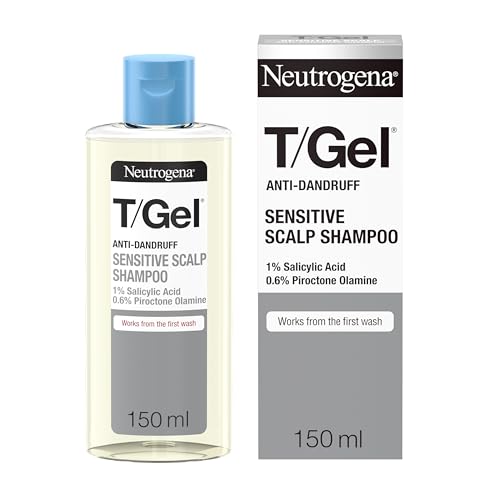
Neutrogena
T/Gel Anti Dandruff Shampoo
shampoo · 150 ml · 15 ingredients
£5.62−13%Amazon UK
- Fragrance-free
- No essential oils
- No MI/MCI
- With piroctone olamine
- With salicylic acid
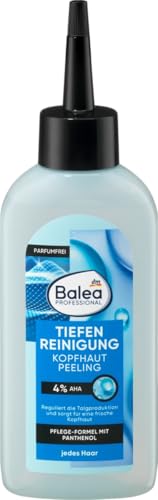
Balea
Professional Scalp Scrub Deep Cleansing
scalp treatment · 150 ml · 10 ingredients
- Fragrance-free
- No essential oils
- No MI/MCI
- With panthenol

OGX
ProGrowth + Peptide Scalp Serum
scalp treatment · 10 ml · 16 ingredients
- Fragrance-free
- No essential oils
- No MI/MCI
- With panthenol

Vanicream
Free & Clear Shampoo
shampoo · 355 ml · 16 ingredients
- Fragrance-free
- No essential oils
- No MI/MCI
- With panthenol
Amazon UK prices as of 6 November 2026, 06:08 GMT; Amazon sets the final price at checkout.
Frequently asked questions
Is scalp skinification a real trend backed by science, or just marketing?
It is largely grounded in real dermatological science, though the term itself is marketing. The underlying principles — that the scalp has a skin barrier that can be maintained and repaired, that it benefits from exfoliation, that its microbiome can be modulated, and that UV protection is warranted — are all supported by peer-reviewed evidence. The specific clinical data on ceramide scalp products, hydroxy-acid scrubs, and antifungal scalp treatments confirm that 'treating the scalp like skin' is a valid and effective approach. Where the trend tips into marketing is in premium scalp serums with unproven proprietary blends; demand evidence before paying a premium.
Can I use my face serum on my scalp?
It depends on the serum. A simple hyaluronic acid serum or niacinamide serum at appropriate concentration is generally well tolerated on the scalp. Silicone-heavy serums or foundations are not suitable — they clog follicles. High-concentration vitamin C at low pH can irritate scalp skin. Retinol face serums are not recommended for self-guided scalp application. The safest approach is to use scalp-specific products, which are formulated to accommodate the scalp's follicle density and sebum context.
Do I need to use SPF on my scalp?
If your scalp is exposed to sun — at a parting, at the hairline, or if you have thinning hair — yes, scalp UV protection is medically warranted. Scalp skin cancers, including melanoma, occur and are often detected late because the scalp is not routinely checked. Transparent SPF scalp sprays and SPF powder formulations make this practical without leaving a white cast or weighing hair down. Wearing a hat is the most effective single measure.
What scalp actives are best for oily scalps?
For oily, buildup-prone scalps, the most useful actives are salicylic acid (keratolytic, follicle-clarifying, oil-soluble), niacinamide (sebum regulation, barrier support), and AHAs/BHAs in a weekly exfoliation routine. Avoid heavy oils or silicone-based serums, which add to the lipid load. A pre-wash scalp scrub with salicylic acid or glycolic acid once a week, followed by a niacinamide-containing scalp serum on alternating days, covers the main concerns.
Can scalp skinification help with hair thinning?
Scalp skinification addresses the skin environment in which follicles operate — not the follicle biology itself. Improving scalp barrier function, reducing sebum-driven inflammation, and managing Malassezia overgrowth removes obstacles to healthy follicle cycling. It is not a treatment for androgenetic alopecia or other hair loss conditions, which require specific medical interventions (minoxidil, finasteride, etc.). Think of scalp skinification as essential scalp maintenance, not a hair-growth treatment.
Sources
- 01The Efficacy of a Pseudo-Ceramide and Eucalyptus Extract Containing Lotion on Dry Scalp Skin — PubMed Central / PMC5896640, 2018-04-01. Four weeks of daily pseudo-ceramide and eucalyptus extract scalp lotion significantly improved dryness, scaling, erythema, and moisture retention in patients with atopic dermatitis, seborrheic dermatitis, and pityriasis capitis — supporting ceramide-based scalp care as a clinically effective 'treat-the-scalp-like-skin' approach.
- 02An Assessment of the Safety, Efficacy, and Tolerability of a Novel Scalp Treatment Regimen Combining a Hydroxy Acid-Based Scrub and Copper Tripeptide Serum — PubMed Central / PMC11501000, 2024-10-01. Hydroxy-acid (AHA/BHA/PHA) scalp scrub produced 61.24% reduction in adherent flaking and 76.24% improvement in scalp hydration within 15 days — direct clinical evidence for the efficacy of skincare-style exfoliation applied to the scalp.
- 03Stratum Corneum Dysfunction in Dandruff — PubMed Central / PMC3494381, 2012-11-01. Dandruff scalps have 50% of healthy scalp ceramide levels, elevated TEWL, and disorganized intercellular lipids — establishing that scalp barrier chemistry is impaired in common scalp conditions and responsive to barrier-targeted treatments.
- 04Physiology, Sebaceous Glands — StatPearls — NCBI Bookshelf / StatPearls. Sebaceous glands provide 90% of skin surface lipids; scalp sebum output (~115 µg/cm²) is the highest of any skin site; androgens regulate sebum production.
- 05Scalp Microbiome Composition in Young Women: Associations with Scalp Type, Sensitivity, and Lifestyle Factors — PubMed Central / PMC12843290, 2025-01-01. Scalp sensitivity is the strongest determinant of microbial diversity; lifestyle factors influence fungal Malassezia abundance — contextualizing why scalp barrier health (the core of scalp skinification) has downstream effects on the microbiome.