Waterproof vs Regular Mascara: Which Should You Wear?
The short answer
Waterproof mascara uses volatile solvents or water-insoluble waxes and silicones to resist water, sweat, and tears, but its removal requires oil-based products and aggressive rubbing that can cause eyelash loss over time.
The Core Difference: Formulation
Every mascara contains the same basic building blocks — pigment, film-forming polymer, wax, and a liquid carrier. The distinction between waterproof and regular mascara comes down to that carrier phase and the type of polymers used.
Regular Mascara
Regular mascara is formulated as a water-in-wax emulsion (or wax-in-water emulsion). Water is the primary liquid phase. The film-forming polymers are partially water-soluble, meaning they will soften and release their pigment when they contact water, sweat, or tears. This is why regular mascara smudges.
Advantages of the water-phase emulsion:
- Applies smoothly without dragging
- Removes easily with water-based cleansers or micellar water
- Less aggressive on lashes, since removal doesn't require oily solvents or hard rubbing
- Generally more comfortable if particles migrate toward the waterline
Waterproof Mascara
Waterproof mascara uses one of two approaches to eliminate or minimize the water phase:
-
No-water formulas: The water is replaced entirely with volatile solvents — most commonly isododecane (a lightweight isoparaffin) or cyclopentasiloxane (a volatile silicone). Once the solvent evaporates, a water-insoluble wax-and-polymer film is left on the lash.
-
High-wax, silicone-enhanced emulsions: Water is present but at much lower concentrations. Hydrophobic waxes and silicone elastomers (dimethicone) create a barrier that repels water at the film surface. Styrene/acrylate/ammonium methacrylate copolymers are widely used as film formers in this category — they provide excellent water adhesion at the molecular level.
According to cosmetic industry testing standards, true waterproof formulas maintain high pigment adhesion after sustained water exposure, with some formulations rated to maintain adhesion after eight or more hours of continuous wear.
Head-to-Head Comparison
| Property | Regular Mascara | Waterproof Mascara | Tubing Mascara |
|---|---|---|---|
| Water/tear resistance | Low | Very high | High |
| Sweat resistance | Low | Very high | High |
| Smudge under lower lid | Common | Rare | Rare |
| Removal method | Water, micellar water | Oil-based remover | Warm water only |
| Removal ease | Easy | Requires effort | Very easy |
| Lash stress from removal | Minimal | Moderate–high | Minimal |
| Flaking during wear | Possible | Less common | Rare |
| Daily use suitability | Excellent | Not ideal | Excellent |
| Best occasion | Everyday | Swimming, events, sport | Everyday or events |
The Removal Problem: Why Daily Waterproof Use Is Disputed
The most significant argument against daily waterproof mascara use is not the formula itself — it is what is required to remove it.
Why removal is the issue:
Oil-based makeup removers or dedicated eye makeup removers with emulsifying agents are required to break down water-insoluble wax and polymer films. The process requires applying the remover, waiting, and then using mechanical action — a cotton pad, a cloth — to wipe or rub the product away.
Lash follicles are at their most vulnerable during removal. Each individual lash has a natural growth cycle; premature mechanical removal (tugging or pulling during makeup removal) can displace hairs in the telogen (shedding) phase before they would naturally fall.
What the research shows:
A peer-reviewed study examining mascara-induced eyelash loss (milphosis) in 128 medical students, published in PMC (Kanlayavattanakul et al.), found that using water alone to remove waterproof mascara — which requires the most aggressive rubbing of all removal methods — was associated with the highest rate of eyelash loss (27%) of all removal strategies tested. Daily mascara users had a 30% eyelash loss rate compared to 13.6% in occasional users. The study concluded that long-term mascara use and aggressive removal methods are both significantly correlated with eyelash fall.
WebMD similarly notes that "the extra effort needed to remove [waterproof] products can damage lashes, causing them to break or fall out."
The right way to remove waterproof mascara:
If you use waterproof mascara, a dedicated oil-based eye makeup remover or a micellar water specifically formulated to remove waterproof formulas significantly reduces the removal friction. Apply the remover to a cotton pad, hold it gently over the closed eye for 10–15 seconds to allow the oil to dissolve the wax film, then gently wipe downward — never rub back and forth or side to side.
When Waterproof Mascara Is the Right Choice
Despite the removal considerations, there are clear contexts where waterproof mascara is the practical winner:
Swimming and water sports. No other mascara type holds up to prolonged immersion. Tubing mascaras — despite their water resistance — will slide off lashes with sustained warm-water contact (by design). For swimmers, waterproof mascara is the appropriate choice.
High-intensity exercise. Profuse sweating creates conditions that overwhelm regular mascaras and challenge even tubing formulas. If you exercise in mascara and don't want to reapply, waterproof is the most reliable option.
Emotional occasions. Weddings, funerals, theatrical performances — events with a high likelihood of tears. Waterproof mascara provides a margin of security that regular formulas cannot.
High-humidity climates. In very hot, humid conditions where the air itself is saturated with moisture, regular mascaras fail within hours. Waterproof formulas maintain performance in these environments.
Short wear periods with dedicated removal. If you are wearing waterproof mascara for a limited period and plan to remove it properly with an oil-based remover and gentle technique, the risks associated with daily long-term use are minimized.
When Regular Mascara Is the Better Choice
Daily wear. For most people, most days, regular mascara performs adequately and imposes no removal-related lash stress. If smudging is your concern, the solution is more often technique (primer, setting powder under the eye, oil control) than formula type — or switching to a tubing mascara.
Sensitive or dry eyes. Regular mascaras are more likely to be formulated without the volatile solvents that some people find irritating. Ophthalmologist-tested regular formulas are widely available.
Anyone managing existing lash thinning. If your lashes are already sparse or fragile — from extensions, nutritional deficiencies, thyroid issues, or previous over-use of waterproof mascara — the gentle removal of regular or tubing mascara is preferable.
Contact lens wearers. Regular mascara without fragrance and benzalkonium chloride is generally appropriate; tubing mascara is also an excellent option. See /mascara-for-sensitive-eyes for specific guidance.
The Smudging Problem with Regular Mascara — and How to Solve It
The most common reason people reach for waterproof mascara is under-eye smudging. But smudging is caused by a combination of factors that can often be addressed without switching to a waterproof formula. See /why-does-mascara-smudge for a complete breakdown; the brief version:
- Oily lids: Sebum softens the mascara film throughout the day. Solution: eye primer, oil-absorbing powder under the lash line, or switch to tubing mascara.
- Humidity: Environmental moisture reactivates water-phase formulas. Solution: tubing mascara performs far better in humidity than regular mascara without waterproof's removal issues.
- Lower lash contact: Your lower lashes and the skin just below them make contact with your upper lashes on every blink. Solution: apply mascara to lower lashes sparingly or not at all; use a small angled brush to apply only to the tips.
The Waterproof Mascara Ingredient to Watch: Preservatives
Some waterproof mascaras contain benzalkonium chloride (BAC/BAK) as a preservative — a compound that has been documented in peer-reviewed ophthalmology research to destabilize the tear film and damage corneal epithelial cells. A 2021 review in Eye (Nature/PMC8277985) found adverse ocular surface effects at concentrations found in cosmetics. This is a particular concern for daily users and contact lens wearers.
If your eyes feel dry, irritated, or gritty after wearing mascara, check the ingredients list for benzalkonium chloride and switch to a product preserved with alternatives (phenoxyethanol, ethylhexylglycerin, or other BAC-free systems).
The Middle Path: Tubing Mascara
For anyone who needs more smudge resistance than regular mascara offers but wants to avoid the removal friction of waterproof formulas, tubing mascara is the clinically sensible middle path. It uses polymer "tubes" around each lash rather than a wax film, resists moisture and smudging comparably to many waterproof formulas, and removes with warm water alone — no oil, no rubbing, no lash stress.
Full guide: /tubing-mascara-guide.
Summary Decision Framework
Choose regular mascara if: You have a standard day in a temperate environment with no water or perspiration expected, or if you have sensitive eyes that prefer easily removed formulas.
Choose tubing mascara if: You have oily lids, live in a humid climate, have a long day ahead, wear contact lenses, or want maximum daily reliability without the lash stress of waterproof removal.
Choose waterproof mascara if: You are swimming, doing intense exercise, attending an emotional event, or are in conditions of extended heavy rain or high humidity where even tubing formulas may be challenged.
Products that fit this guide
Picked by code from each product's full ingredient list.

Catrice
Brow Fix Shaping Wax
brow product · 1 g · 11 ingredients
- Fragrance-free
- No essential oils

Catrice
Drunk'n Diamonds Eyeshadow Stick
eyeshadow · 2.5 g · 17 ingredients
£4.82Amazon UK
- Fragrance-free
- No essential oils
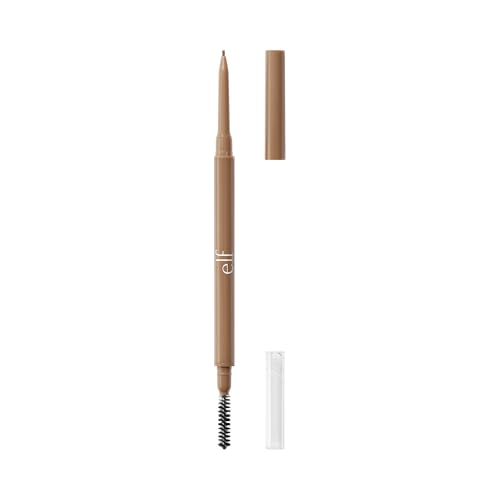
e.l.f.
Micro-Fine Brow Pencil
brow product · 0.03 g · 16 ingredients
£7.75−3%Amazon UK
- Fragrance-free
- No essential oils
- With vitamin E

Essence
All Eyes On Me Waterproof Mascara
mascara · 8 ml · 20 ingredients
- Fragrance-free
- No essential oils
- With glycerin
Amazon UK prices as of 6 November 2026, 06:19 GMT; Amazon sets the final price at checkout.
Frequently asked questions
Does waterproof mascara damage lashes with daily use?
The formula itself is not damaging, but the removal process is the concern. Daily use of waterproof mascara requires daily use of oil-based removers and increased mechanical friction to remove the water-insoluble film. Peer-reviewed research has found a correlation between daily mascara use and eyelash loss, with aggressive removal methods showing the highest lash fallout rates. Dermatologists generally suggest reserving waterproof mascara for occasions and using regular or tubing formulas on most days.
Can I use regular mascara in the rain?
Light rain for a short time is usually manageable with a modern regular mascara, especially if you have applied a primer or eye primer beforehand. Heavy or sustained rain will cause most regular mascaras to run. For rainy days or outdoor events with weather uncertainty, a tubing mascara provides robust moisture resistance without requiring waterproof formula.
What is the best mascara for crying?
Waterproof mascara provides the most reliable protection against tears and is the traditional recommendation for emotional occasions like weddings. A tubing mascara is a reasonable second option for light tearfulness — the tubes resist water well — but sustained heavy crying will eventually loosen tubing formula. For absolute security when tears are certain, waterproof is the proven choice.
Is it true that waterproof mascara dries out lashes?
The volatile solvents (isododecane, silicones) in waterproof formulas can strip some natural moisture from the lash shaft, making lashes feel more brittle over time if used daily. A small amount of conditioning agents in the formula (castor oil, glycerin) can offset this. The bigger practical risk is the removal process — the friction of daily waterproof removal is more likely to cause physical lash damage than the formula itself.
Can I swim with waterproof mascara on?
Yes — waterproof mascara is the only formula type intended and effective for swimming. It will not smear or run in the water. After swimming, use an oil-based eye makeup remover or dedicated waterproof remover and remove gently without rubbing to protect lashes. Do not rub waterproofed lashes dry with a towel — this is the step most likely to cause lash damage.
Sources
- 01Mascara Induced Milphosis, an Etiological Evaluation — PubMed Central, 2014-01-01. Using water alone to remove waterproof mascara (requiring maximum mechanical rubbing) showed the highest eyelash loss rate (27%) of all removal methods; daily mascara users had 30% eyelash loss rate vs 13.6% in occasional users.
- 02Mascara Ingredients, Waterproof Mascara, History of Mascara, and More — WebMD. Waterproof mascara formulations minimize or eliminate water phase; extra removal effort for waterproof mascara can damage lashes causing breakage or fallout; thimerosal preservative in some mascaras can cause conjunctivitis and eyelid dermatitis.
- 03Ocular benzalkonium chloride exposure: problems and solutions — PubMed Central / Eye (Nature Publishing Group), 2021-07-01. Benzalkonium chloride in cosmetics causes adverse ocular surface effects including tear film instability and corneal cell damage — relevant to mascara preservative ingredient selection.
- 04Eye Cosmetic Safety — FDA — U.S. Food and Drug Administration. FDA regulates eye cosmetics including mascaras; most have not raised safety concerns when used properly; discarding mascara three months after purchase is recommended; adding saliva or water to dried mascara introduces bacteria and dilutes preservatives.